
Technical SEO Services That Open Your Site to Google and AI Search
Our technical SEO services find what stops search engines and AI crawlers from reaching, rendering and indexing your pages, then fix it on your site and verify every change in Search Console.
Why Technical SEO Comes First
Your Content Only Competes Once the Technical Layer Lets It In
A page Googlebot cannot crawl, a template that hides text behind JavaScript or a firewall that turns away AI crawlers can cancel months of content work. Our technical SEO services find those barriers, rank them by revenue impact and fix them with our website design and development team, so your wider SEO program builds on a sound site.
Crawl: Paths to Every Revenue Page
We map how bots move through your site, then clear robots.txt conflicts, stray noindex tags, crawl traps and orphan pages that hide your commercial URLs.
- Robots.txt and directive audit
- XML sitemap cleanup
- Canonical and duplicate URL fixes
- Orphan page recovery
- Search Console index checks
Speed: Fixed on Real-User Data
We read Core Web Vitals data from real Chrome users, trace each LCP, INP or CLS failure to its template, then fix the pages that bring in your leads.
- Field and lab data compared
- LCP image and server fixes
- INP script reduction
- Layout shift fixes
- Mobile template testing
Rendering: Content Crawlers Can Read
We compare raw HTML with the rendered page, so your key copy, links and structured data never depend on JavaScript that some crawlers skip or fail to run.
- Raw vs rendered HTML checks
- JavaScript link discovery
- JSON-LD schema validation
- Consistent entity facts
- Clear heading structure
Access: Ready for AI Retrieval
We check that Googlebot, OAI-SearchBot and other AI crawlers reach your pages through robots.txt, CDN and firewall rules, then apply your approved bot policy.
- AI crawler access testing
- Search vs training bot rules
- CDN and WAF rule review
- Snippet eligibility checks
- Re-tested after site changes
What Our Technical SEO Services Include,
From Crawl to
Every engagement starts with a crawl of your whole site and your Search Console data, not a tool export. We group findings by the template that causes them, rank them by the revenue pages they touch and work through them in that order. Each tab shows what our technical SEO services check and what we change.
- An Audit, Not an Error Export
Crawling tools report thousands of warnings, and most of them do not matter. Our technical SEO audit services combine a full-site crawl, the Page indexing and Core Web Vitals reports in Google Search Console, and URL Inspection on priority pages. Each issue is traced to the template or setting that creates it, so one fix can clear hundreds of URLs. You can request a technical SEO audit to see the format.
- A Roadmap Ranked by Revenue Impact
Findings are sorted by what they block. An indexing fault on a service page outranks a missing alt attribute on an old blog post. You get a prioritized roadmap listing the affected URLs, the cause, the fix, the effort and the owner of each change, so developers and marketers work from the same list.
- Audit and Implementation in One Team
Our technical SEO audit and implementation services do not end with a PDF. On WordPress and Shopify, our team makes the changes directly. On custom builds, we write developer tickets that name the element, the expected output and the test case, then review the work before it ships.
- Validation After Every Release
Many technical SEO services stop at the report, but a fix only counts once search engines see it. We re-crawl changed templates, re-inspect key URLs in Search Console, request validation on resolved indexing issues and log each change with its date, so traffic movement can be matched to the work behind it.
- Robots.txt, Meta Robots and Noindex
One stray Disallow line or a noindex tag left over from staging can remove a service page from search. We audit robots.txt, meta robots tags and X-Robots-Tag headers together, because robots.txt controls crawling, not indexing. A blocked page can still appear as a bare URL, and a noindex tag only works when Google is allowed to crawl the page and read it.
- XML Sitemaps That Match Reality
A sitemap should list only canonical, indexable URLs that return a 200 status. We remove redirected, noindexed and duplicate entries, split large sitemaps by content type and compare them with what Search Console reports as indexed. The gap between the two usually shows where crawl attention is being wasted.
- Canonicals and Duplicate URLs
Tracking parameters, trailing slashes, HTTP and HTTPS versions and filter URLs can split one page into several. We align canonical tags, internal links, redirects and sitemap entries on a single preferred URL. When Google selects a different canonical from the one you declared, we find the conflicting signal and correct it.
- Crawl Traps, Facets and Large Sites
Calendars, internal search results, sort orders and faceted filters can generate near-endless URLs. On larger sites we decide which filter combinations deserve indexing, keep the rest out of the crawl path and keep pagination linkable. Store-specific work on variants and collections sits in our ecommerce SEO services.
- Field Data Before Lab Scores
A PageSpeed score is a lab test on one simulated device. The Core Web Vitals assessment uses field data from real Chrome users, measured at the 75th percentile over the previous 28 days. We start from field data, then use lab tools to diagnose the cause, so fixes target what your visitors actually experience.
- LCP, INP and CLS, Fixed at the Source
Google defines good as an LCP within 2.5 seconds, an INP under 200 milliseconds and a CLS below 0.1. Slow LCP usually traces to a heavy hero image, render-blocking CSS or a slow server. Poor INP comes from long JavaScript tasks and third-party scripts. Layout shift comes from images, ads and embeds without reserved space.
- JavaScript Rendering and Hydration
Google queues JavaScript pages for rendering after the first crawl, and several AI crawlers fetch HTML without running scripts at all. We compare source and rendered HTML on key templates to confirm that body copy, internal links and structured data exist before scripts run, and recommend server-side rendering where they do not.
- Mobile-First Parity
Google indexes the mobile version of your pages. When the mobile template drops text, links, structured data or images that appear on desktop, those signals are lost. We test both versions side by side and close the gaps, along with viewport settings, tap targets and intrusive interstitials.
- Site Architecture and Internal Links
Search engines judge importance partly by how a page is linked. We measure click depth, find orphan pages that no internal link reaches, and fix broken links and redirect hops in navigation and body copy. Priority service pages should sit a few clicks from the homepage, linked with descriptive anchors from related pages.
- Redirects and Site Migrations
Domain changes, CMS replatforms, HTTPS moves and URL restructures are where rankings are most often lost. We benchmark the old site, map every URL to its closest new equivalent with a single 301, update canonicals, internal links and sitemaps, and crawl the new site on launch day. Indexing and traffic are then monitored until they settle.
- Structured Data That Matches the Page
We implement JSON-LD for Organization, Service, Product, BreadcrumbList, LocalBusiness and Article where the page content supports it, and validate it against Schema.org and Google guidelines. Markup must describe what visitors can see. Schema helps search engines interpret a page; it does not guarantee rich results, rankings or AI citations.
- Entity Consistency Across Signals
Your company name, address, services and key facts should read the same in visible copy, schema and your Google Business Profile. Conflicting facts make it harder for search engines and AI systems to identify your business with confidence. We record one approved version and align every technical signal to it.
- Google AI Features Run on Search
Google states that AI Overviews and AI Mode have no additional technical requirements. A page must be indexed and eligible to show a snippet, and Googlebot rules control that access. Google-Extended applies to some of Google’s other AI systems, not Search. The crawl, index and snippet work in the other tabs is what qualifies pages for Google’s AI features, which is why our technical SEO services treat them as one job.
- Search Bots Versus Training Bots
AI companies run separate crawlers for separate jobs. OpenAI uses OAI-SearchBot for ChatGPT search and GPTBot for training. Anthropic separates ClaudeBot, Claude-SearchBot and Claude-User, and PerplexityBot builds the Perplexity search index. Blocking a training bot does not remove you from AI search, and allowing every bot is not automatically right, so we set rules your team approves.
- CDN, Firewall and Bot Protection Rules
Robots.txt is often not the real gatekeeper. CDN bot management, WAF rules, rate limits and challenge pages can block crawlers you meant to allow, or serve them error pages. We review that configuration, check server logs where access is available and confirm that approved crawlers receive normal 200 responses.
- Readable Pages, Honest Measurement
AI systems can only quote what they can extract, so key answers belong in plain HTML text, not images, script-loaded tabs or PDFs. Google says its AI features need no special AI text files, so we treat llms.txt as optional. Prompt tracking and citation work sit in our AI search visibility service.
Technical SEO for How People Search Now
One Foundation Behind Every Search Result
AI search builds on technical SEO rather than replacing it. Google’s AI Overviews link to pages already indexed in Search, and ChatGPT can only cite pages its crawlers reach and read. Our technical SEO services prepare your site for both.
- 4 | Search Surfaces
Google, AI Overviews, ChatGPT and Perplexity
Classic Google Results
Crawlable, indexable pages that rank for your commercial terms
Consistent Entity Facts
One approved version of your business facts in copy and schema.
AI Overviews and AI Mode
Indexed pages eligible for snippets, with no extra AI markup.
Readable Page Content
Key copy and links present in HTML before any JavaScript runs.
ChatGPT and Perplexity
Search crawlers allowed through robots.txt, CDN and firewalls.
Search and AI Tracking
Search Console data, GA4 AI referrals and monthly crawl checks.
Proof and Accountability
Technical Work You Can Check
Line by Line
Our technical SEO services use a broad toolkit, with SEMrush and Screaming Frog among the tools we rely on. We audit key crawl paths, speed, and index issues, log each fix by URL, and check the impact in Google Search Console and other reliable sources.
Features
Lynxsol
Typical Agency
In-House Team
Fixes implemented, not just reported
Issues ranked by revenue impact
Raw and rendered HTML compared
Core Web Vitals judged on field data
AI crawler and firewall access tested
Every change logged and re-crawled
Brands We Have Worked With
View Our Technical SEO Projects
cited in google's AI overview
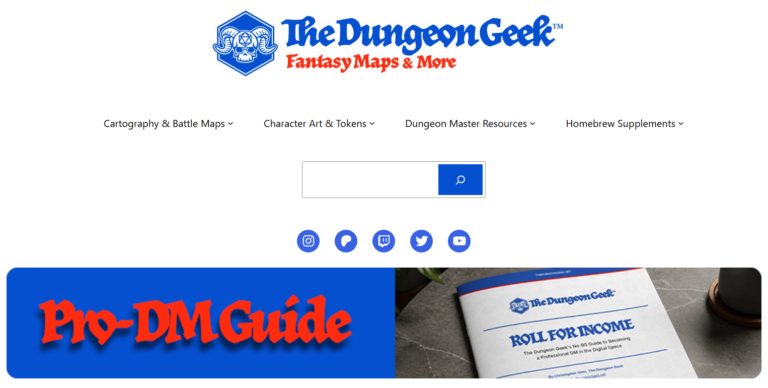
The Dungeon Geek
Discover how Lynxsol helped The Dungeon Geek eliminate 90 site errors, rank on Google's first page for "dnd jungle maps," and earn an AI Overview citation.
View case study
Top-5 Google Ranking
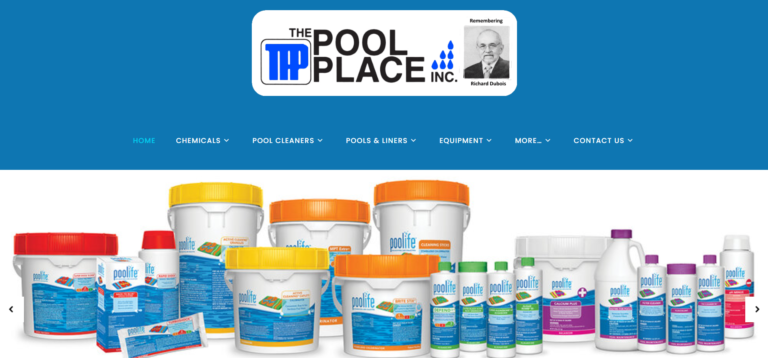
The Pool Place
Discover how Lynxsol helped The Pool Place in North Easton, MA achieve 99% Site Health, improve mobile page speed, and rank #4 for Sharkline pools on Google.
View case study

Foshan Popper Machinery
Discover how Lynxsol helped filling machine manufacturer Foshan Popper Machinery reach #1 on Google for buyer's guide searches and earn citation on Alibaba.com.
View case study
The Wild Factory
See how Lynxsol helped The Wild/Factory strengthen SEO, local search, and AI visibility through technical optimization, and location-focused SEO.
View case study
+400% organic traffic
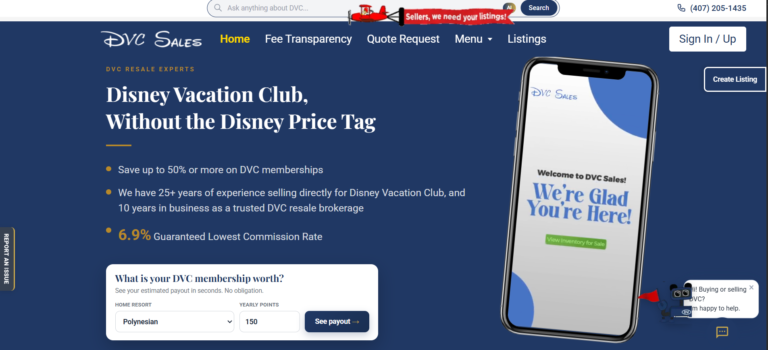
DVC Sales
See how Lynxsol improved DVC Sales with technical SEO, content optimization and AI search strategy, achieving 96% site health and a #1 Google ranking.
View case study

+260% organic traffic
Alcudia Horses
See how Lynxsol helped Alcudia Horses improve search visibility through technical SEO, content optimization, and a strategy built for Google and AI search.
View case study

Ethan Hutchinson
Lynxsol rebuilt Ethan Hutchinson's technical SEO and AI search presence, delivering a #1 Google ranking and direct ChatGPT recommendations.
View case study
Injured Wrongfully
See how Lynxsol used professional website design services to improve usability, mobile experience, trust and lead generation.
View case study
Philly Window Washing
See how Lynxsol delivered professional website design services to improve mobile usability, service clarity, customer trust and lead generation.
View case study
AI Boosted Leads
See how Lynxsol used Meta Ads management services to improve targeting, creative performance, retargeting and qualified lead generation.
View case study
Peptide Hub
See how Lynxsol used Google Ads management services to improve targeting, conversions, campaign efficiency and lead generation.
View case studyTechnical SEO Services Built Around Your Goals
Starter
$499/m
For smaller sites that need crawl, index and speed foundations fixed so key pages can compete.
- Full technical SEO audit and roadmap
- Search Console indexing review
- Robots.txt, sitemap and canonical fixes
- Redirect, 404 and broken link cleanup
- Core Web Vitals review on key templates
- Organization and Breadcrumb schema
- AI crawler access check
- Monthly technical report
Growth (Most Popular)
$999/m
For established sites where steady monitoring and fixes protect the pages that already bring in leads.
- Everything in Starter
- Ongoing technical monitoring and fixes
- Core Web Vitals fixes on priority templates
- Raw vs rendered HTML checks
- Internal linking and orphan page fixes
- Service, Product or LocalBusiness schema
- AI crawler and CDN rule review
- Monthly report with change log
Scale
$1499/m
For larger or complex sites with JavaScript frameworks, big catalogs, migrations or many templates.
- Everything in Growth
- JavaScript rendering and SSR guidance
- Faceted navigation and crawl budget work
- Migration and redirect mapping support
- Server log and crawl stats analysis
- Entity and schema work for AI-assisted search
- Developer tickets with QA after release
- Weekly updates and a monthly strategy review
Multi-market programs and enterprise AI search optimization services are scoped individually. Ask us for a quote.
Straight Answers Before
You Choose a
A crawl of every indexable URL, a review of the Page indexing, Core Web Vitals and Crawl stats reports in Search Console, URL Inspection on priority pages, a raw versus rendered HTML comparison, structured data validation, redirect and canonical checks, and an AI crawler access review covering robots.txt and CDN rules. Findings arrive as a prioritized roadmap with the cause, fix and owner for each issue.
Yes. Implementation is part of the work, not an add-on. On WordPress and Shopify, our team applies most changes directly. Where a fix needs your developers or hosting provider, such as server configuration or a custom framework, we write the ticket, specify the expected result and verify the change after release. Nothing is marked done until it has been re-crawled.
Common causes are noindex tags, robots.txt blocks, canonicals pointing elsewhere, duplicate or thin content, weak internal linking and content that only appears after JavaScript runs. URL Inspection shows which applies to each page. We fix the technical causes and request validation. Google still decides what it indexes, so nobody can guarantee indexing, but removing the blockers is within our control.
Often, when the cause is technical. After a migration we compare old and new URL inventories, then find missing or chained redirects, lost internal links, changed canonicals and pages dropped from the index, and restore them in order of lost traffic. For other drops, we separate technical faults from algorithm updates, demand shifts and tracking errors before recommending changes.
Yes. Our technical SEO services cover all three. Our team builds websites on WordPress and Shopify, so we work inside those platforms directly, including themes, plugins, apps and their known SEO limits. For custom builds and JavaScript frameworks, we audit the rendered output and work with your developers on fixes such as server-side rendering, routing and metadata handling.
Any technical SEO services company needs the same starting point: full or owner access to Google Search Console, viewer access to GA4 and, if we are implementing, a CMS login with editor or admin rights. For deeper diagnosis, server or CDN logs and read access to CDN and firewall settings help. Access is granted through user invitations on each platform, so you can remove it at any time.
They control whether AI systems can reach and read your pages at all. Google’s AI Overviews and AI Mode rely on normal Search indexing and snippet eligibility. ChatGPT search and Perplexity use their own crawlers, which need access through robots.txt and your firewall, plus readable HTML. Access is necessary but not sufficient, because citations also depend on content and authority.
We track index coverage in Search Console, Core Web Vitals field data, crawl errors and response codes, then organic clicks, impressions and conversions in GA4 for the templates we changed. Each fix is logged with a date, so movement can be tied to specific releases. Referral traffic from ChatGPT, Perplexity and similar platforms is reported separately in GA4.
A standard SEO campaign also covers content, on-page work and links. Technical SEO services focus on the infrastructure under them: crawling, rendering, indexing, speed, structured data and access. Some businesses need a technical project first, after a migration or traffic drop. Others need technical monitoring inside an ongoing SEO service. The audit shows which applies.